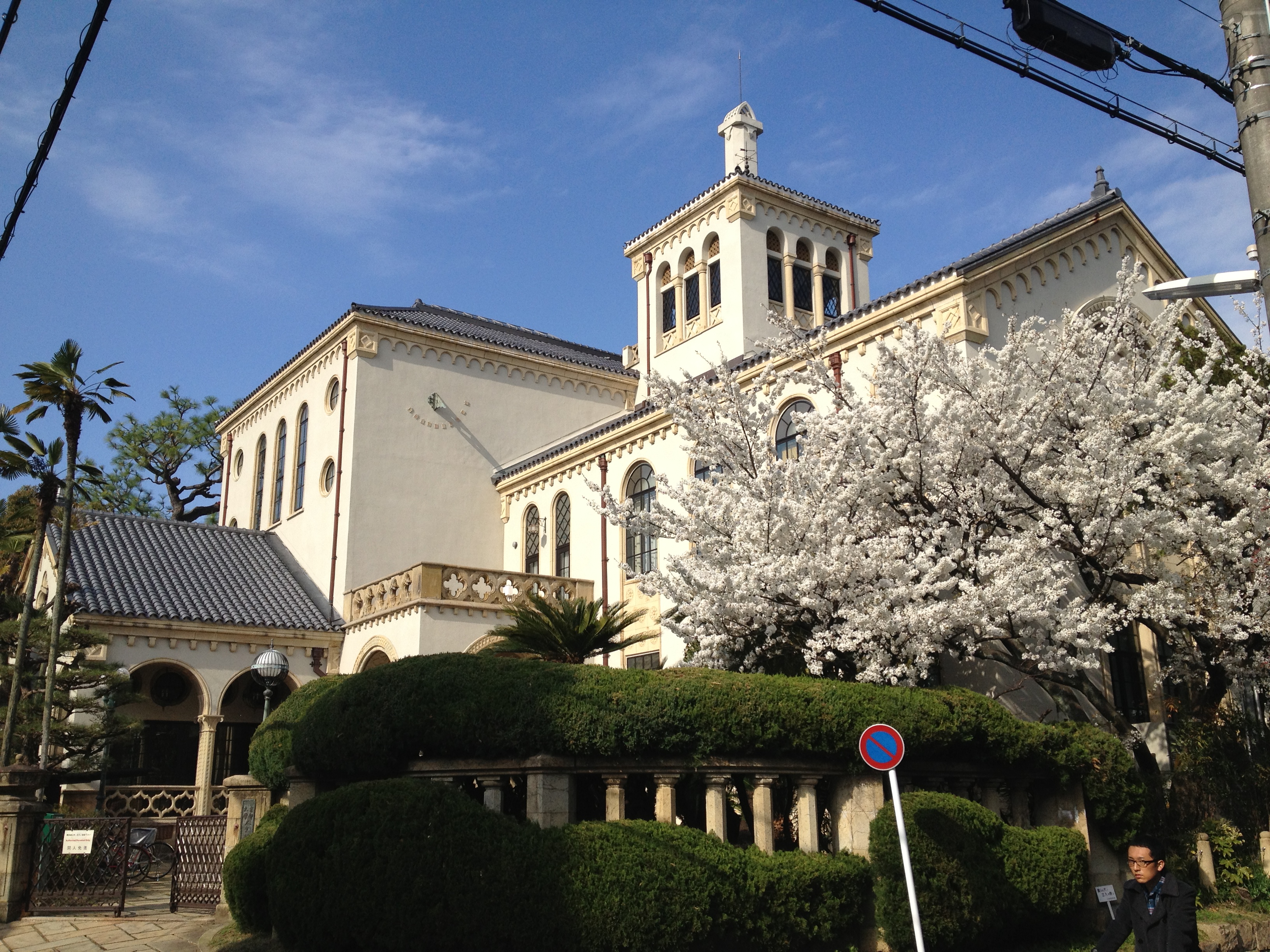
Today the Branch office of the Institute for Research in Humanities (人文科学研究所 分館), the building was originally build to house the Institute of Oriental Culture (東方文化研究所) which was the independent successor to the Kyoto branch of the Research Institute of the Academy of Oriental Culture (東方文化学院 京都研究所), originally established in Tokyo and Kyoto in 1929 (Showa 4) with funding from the Ministry of Foreign Affairs for the purpose of conducting academic research focused on Chinese culture.
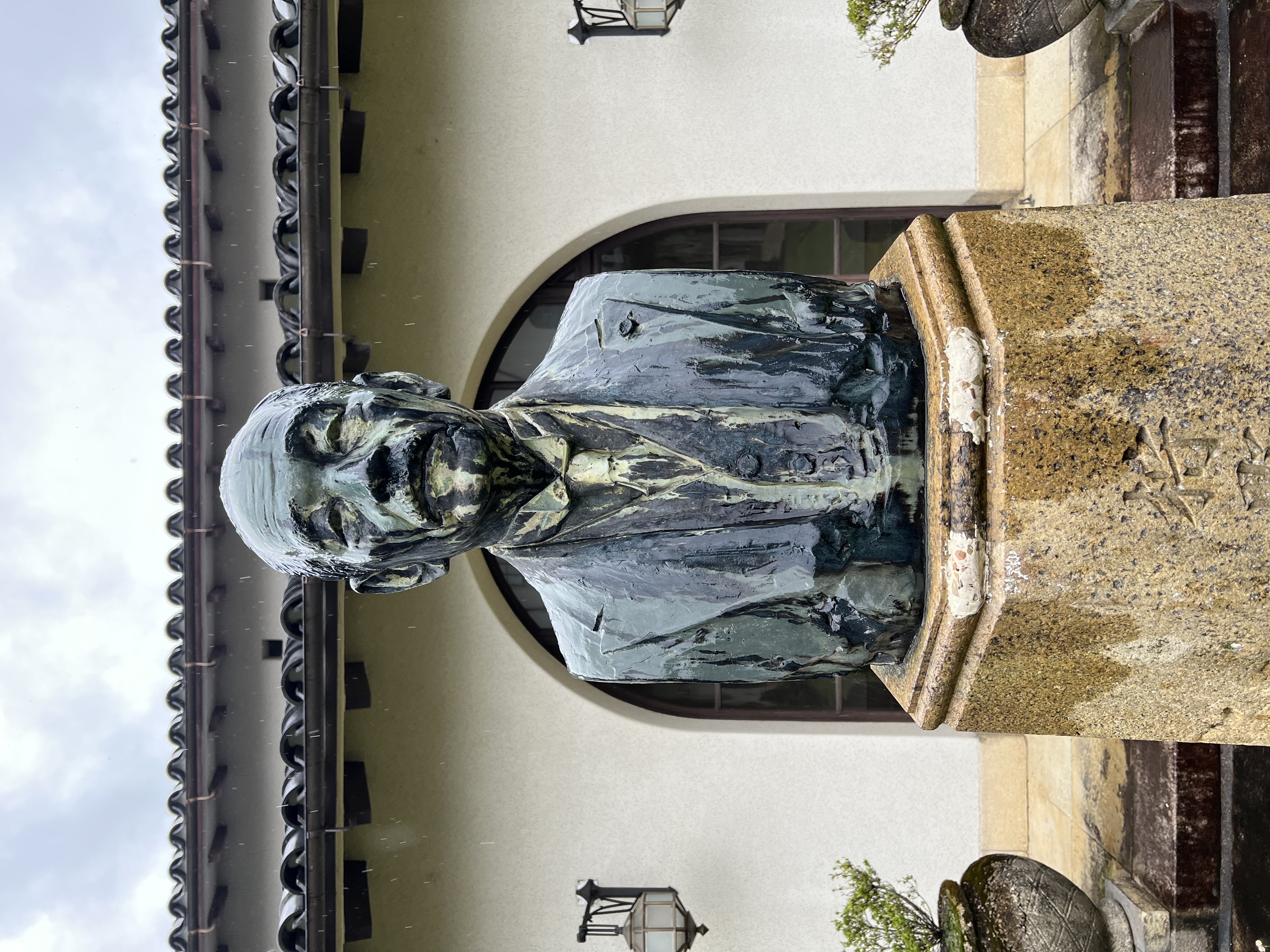
In April 1938 (Showa 13), the Academy of Oriental Culture was reorganized, the Kyoto Research Institute became independent and was renamed the Institute of Oriental Culture. By this time, it was a well established research institution with a staff of more than 30 members—including researchers, associate researchers, assistants, and contract staff— who were engaged in research activities assigned to six research departments: Classical Studies and Literature, Religion, Astronomy and Calendar Studies, History, Geography, and Archaeology. The director during the Academy of Oriental Culture era was Naoki Kano (狩野直喜) and his bronze bust can still be seen in the inner court of the building.